How To Get To St Barts: Flights, Ferries And Transfers To Your Hotel
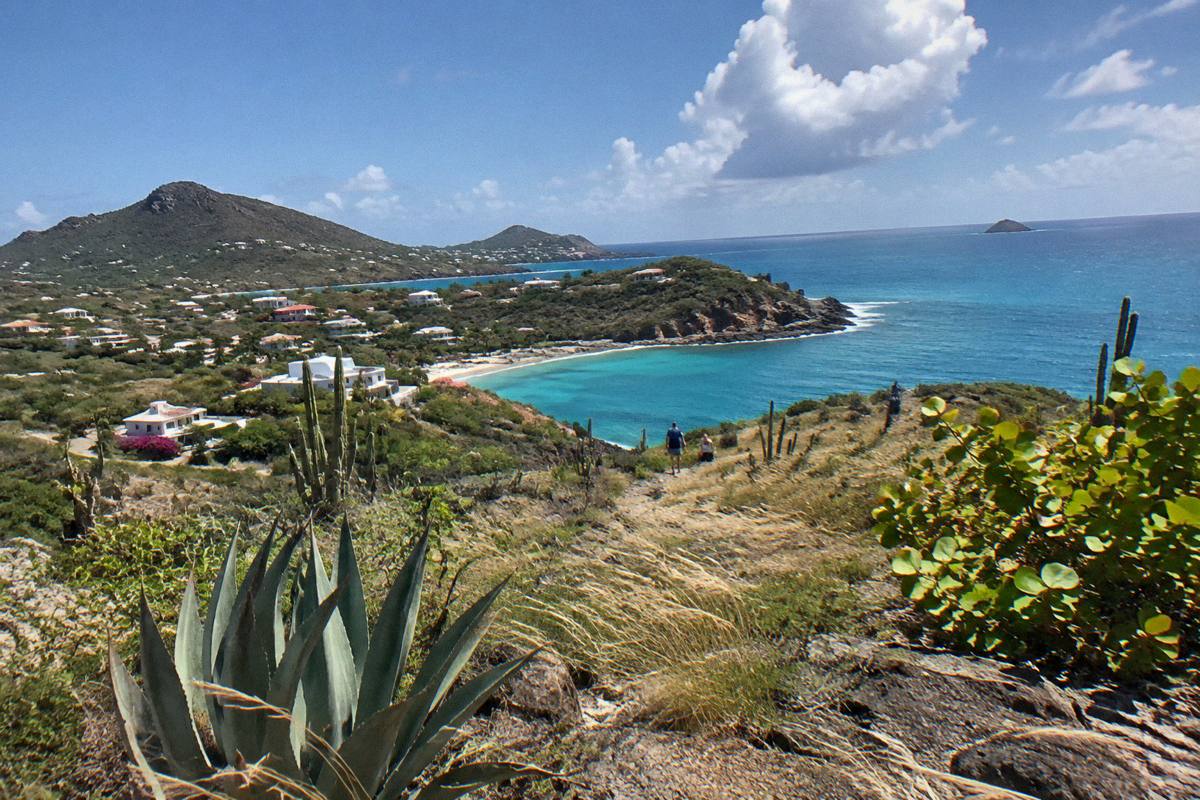
St Barts has no direct flights from anywhere large, so every arrival runs through St Maarten by air or by sea, then a short hop to a 646-metre runway or a ferry into Gustavia harbour. The route you choose shapes which side of the island, and which hotel, suits you best.
Short answer
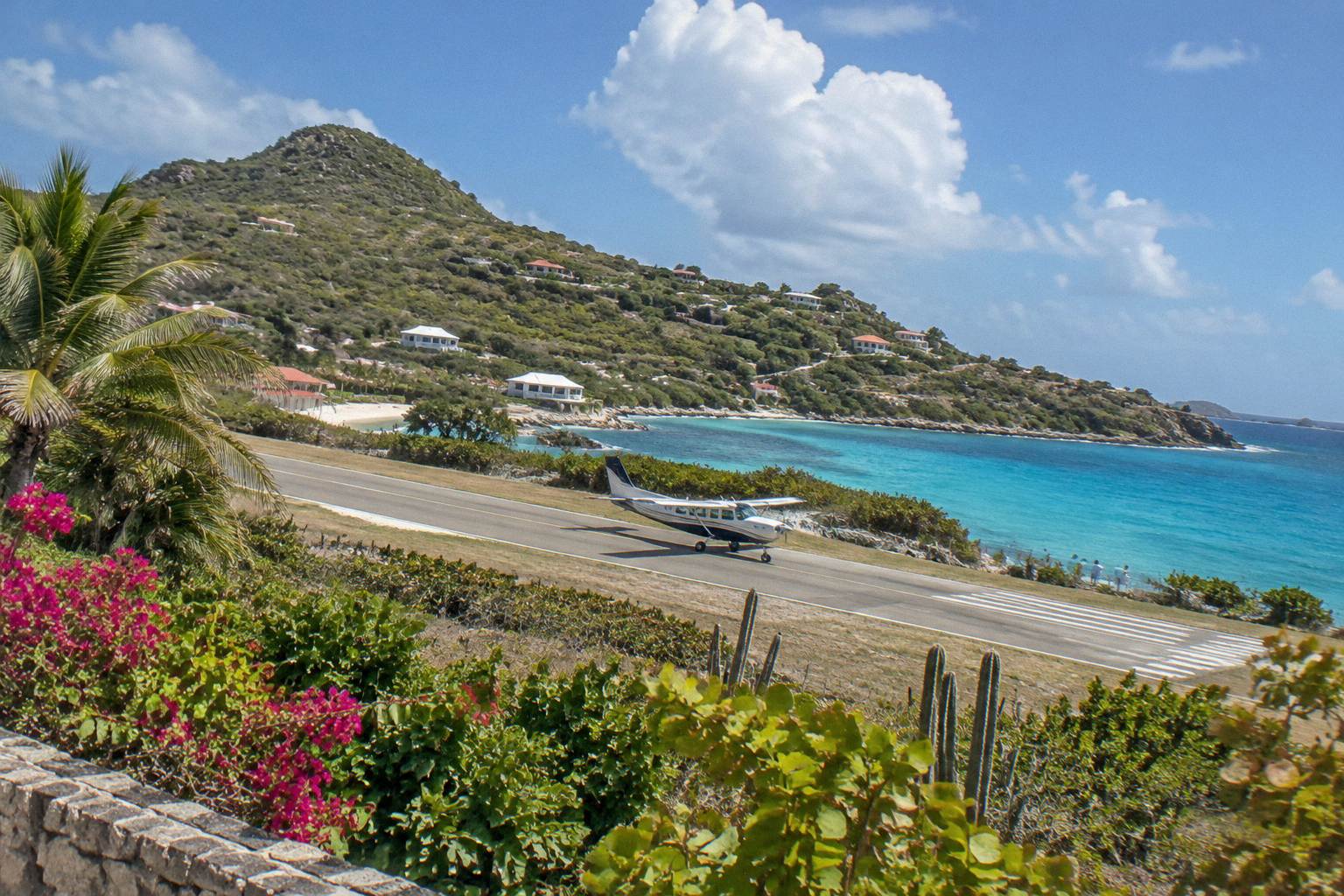
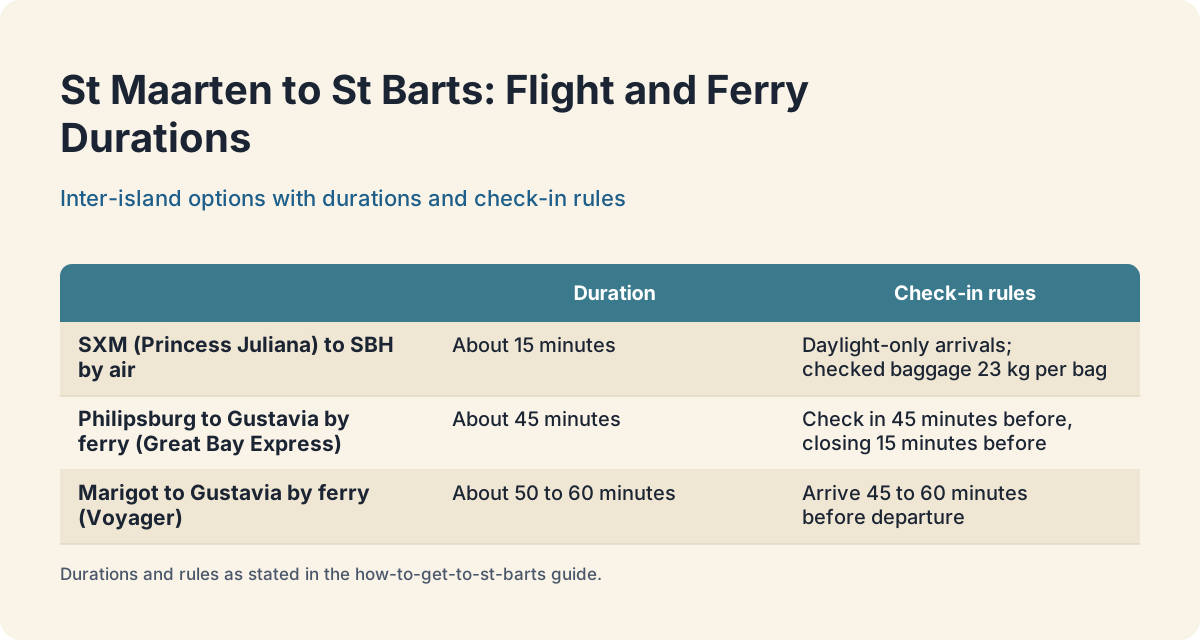
Almost everyone flies into St Maarten (SXM) then takes a 15-minute Winair, St Barth Commuter or Air Caraibes flight to St Barts, or a ferry: about 45 minutes from Philipsburg, 50 to 60 minutes from Marigot. Gustavia sits about 3 km from the airport, 8 to 12 minutes by taxi, with daytime tariff about 30 EUR to Gustavia or Saint-Jean.
Saint Barthelemy is 25 square kilometres of French overseas territory with an airport runway just 646 metres long. That single number explains almost everything about how you arrive: no wide-body jet can land, so every trip includes a connection, and most travellers touch down at Princess Juliana airport on St Maarten first, then finish the journey by small aircraft or by ferry. The airport recorded 232,269 passengers in 2025, its best year on record and 14 percent more than 2024, which tells you the route is busy and worth planning ahead.
Where you land matters for the second half of the trip too. The airport sits in the Saint-Jean area, about 3 km and 8 to 12 minutes by road from Gustavia, so a hotel in Saint-Jean or a villa above the harbour means a very short transfer day. A stay out at Grand Cul-de-Sac or Toiny adds distance on narrow, winding roads. This guide walks through the three arrival routes, what check-in and baggage rules apply, and what the taxi ride from the runway or the ferry quay to each area actually involves. If those narrow, winding roads give you pause, our honest look at safety on St Barts covers the roads, the runway, and the hurricane season in plain terms.
How Do You Get To St Barts From Abroad?
There is no direct commercial flight to St Barts from any large hub: you fly to Princess Juliana airport (SXM) on St Maarten first, then complete the trip with a roughly 15-minute flight to the island's short runway, or a ferry crossing of about 45 minutes from Philipsburg or 50 to 60 minutes from Marigot. Most travellers route through SXM because it has the widest connections from North America and Europe.
The three legs look like this. First, a mainstream flight into St Maarten, which serves as the gateway for the whole Leeward Islands chain. Second, a hop across to St Barts: Winair, St Barth Commuter and Air Caraibes all fly SXM to SBH non-stop in about 15 minutes, and Tradewind Aviation runs limited scheduled flights on the same route alongside its main service from San Juan. St Barth Commuter also flies from Grand Case on the French side of St Martin. Third, if you prefer the sea, two ferry services reach Gustavia: Great Bay Express from Philipsburg and Voyager from Marigot.
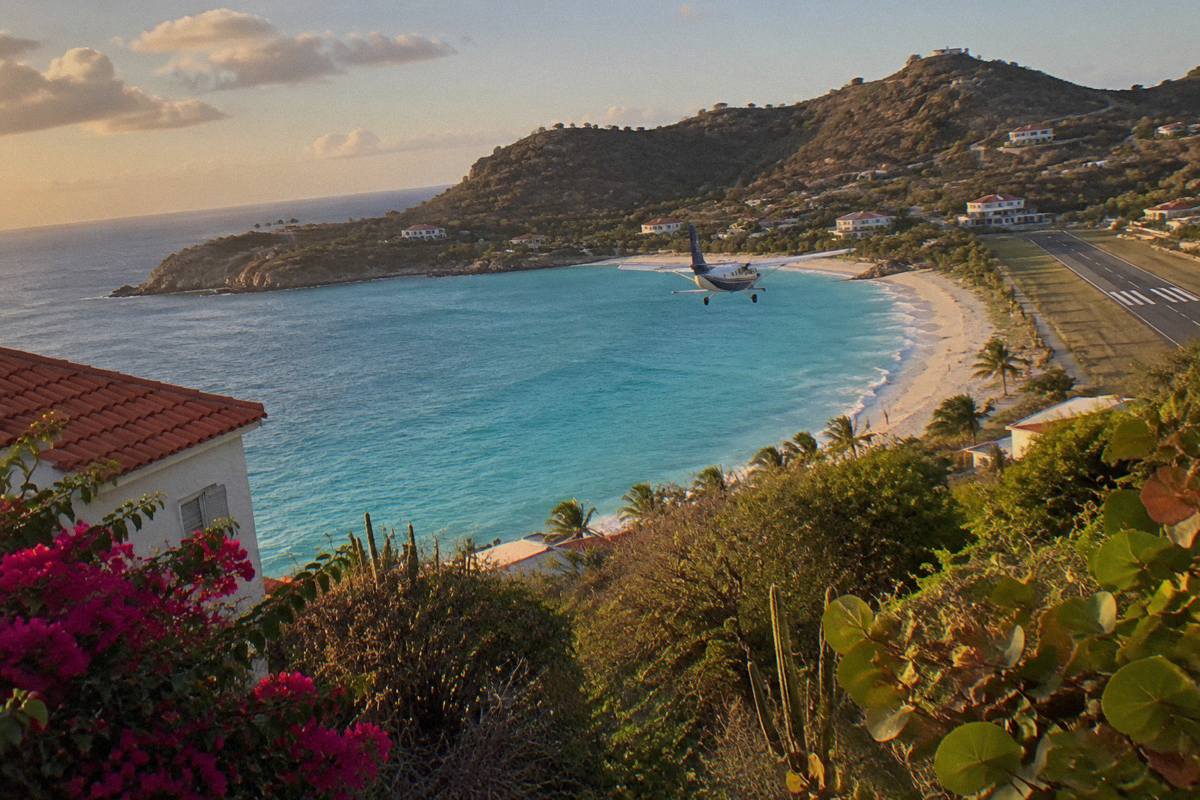
The choice between air and sea is partly temperament and partly schedule. The flight approach into SBH is famous, a descent over a hilltop road onto runway 10, and pilots need a special landing licence to fly it. The airport operates in daylight only, with no runway lighting: it opens around 07:00 and closes about 15 minutes after sunset, so late arrivals into St Maarten can strand you overnight. The ferry is slower and can be rough in open water, but it runs when seats on the small aircraft sell out, which happens routinely in high season.
Flying From St Maarten To St Barts: The 15-Minute Hop
The SXM to SBH flight takes about 15 minutes in the air, flown daily by Winair with Twin Otter aircraft, St Barth Commuter with Cessnas, and Air Caraibes, with Tradewind Aviation adding limited scheduled Pilatus PC-12 services. Check-in is weight-sensitive, and Winair caps checked baggage at 23 kg per bag, with bags between 23 and 32 kg accepted for an overweight charge.
These are small aircraft, typically under twenty seats, and every kilogram counts on a 646-metre runway. Pack light, and if your bag is heavy, expect to pay rather than argue: the 23 kg limit is published policy on Winair's own baggage page. Seats sell out early in high season (November to April, with pricing typically from mid-November and Thanksgiving week on 26 November 2026 as the unofficial opener), so book the SXM-SBH leg when you book the long-haul flight, not after you land.
Schedules matter more here than on any other leg. The SBH airport operates daylight hours only, and the last departures from St Maarten leave well before the St Barts runway closes shortly after sunset. If your international flight lands in the evening, plan a night on St Maarten and fly across the next morning. Travellers coming from San Juan can use Tradewind's SJU to SBH service, which avoids the SXM connection entirely, though seats on it are limited. If you're wondering whether any American airline can take you all the way there, our guide to flying direct to St Barts from the US explains which routes actually exist and where the routing leaves your first night.
A practical note for trip length: the average visitor stays 6.6 to 7.3 nights per the Observatoire du Tourisme, and Americans average about 6.4 nights, so most itineraries leave little slack. A missed connection eats a full day. Booking the inter-island flight and the long-haul on the same ticket, or leaving three hours between arrival at SXM and the SBH departure, are the two standard protections.
Choosing where to sleep on arrival night depends on how much of the day the journey consumes. If you land at SBH in the morning, any area of the island is reachable within half an hour by taxi. If you land late afternoon, staying close to the airport in Saint-Jean saves a winding night drive on roads with blind corners.
Three stays show how that decision works in practice. Pearl Beach Hotel on Saint-Jean beach sits about 1.3 km in a straight line from Gustavia, minutes from the airport road: a same-day check-in is painless. Tropical Hotel, also in Saint-Jean, is about 1.6 km from Gustavia in a straight line and just as close to the runway. At the other extreme, Fouquet's Saint-Barth in Gustavia, about 0.3 km in a straight line from the harbour, suits ferry arrivals perfectly: you step off the boat in Gustavia and the hotel is a short ride or a walk up the hill. For more on the trade-offs, our guide to where to stay in St Barts breaks down every area.
| Route | Duration | What to Know at Check-In |
|---|---|---|
| SXM (Princess Juliana) to SBH by air | About 15 minutes | Daylight-only arrivals; checked baggage 23 kg per bag on Winair; book well ahead in high season |
| Philipsburg to Gustavia by ferry (Great Bay Express) | About 45 minutes | Up to 3 sailings daily; check in 45 minutes before, closes 15 minutes before departure; passport for every passenger |
| Marigot to Gustavia by ferry (Voyager) | About 50 to 60 minutes | Arrive 45 to 60 minutes before; office on the Marigot waterfront, 15 minutes from Juliana airport or Grand Case |
Taking The Ferry From St Martin To Gustavia
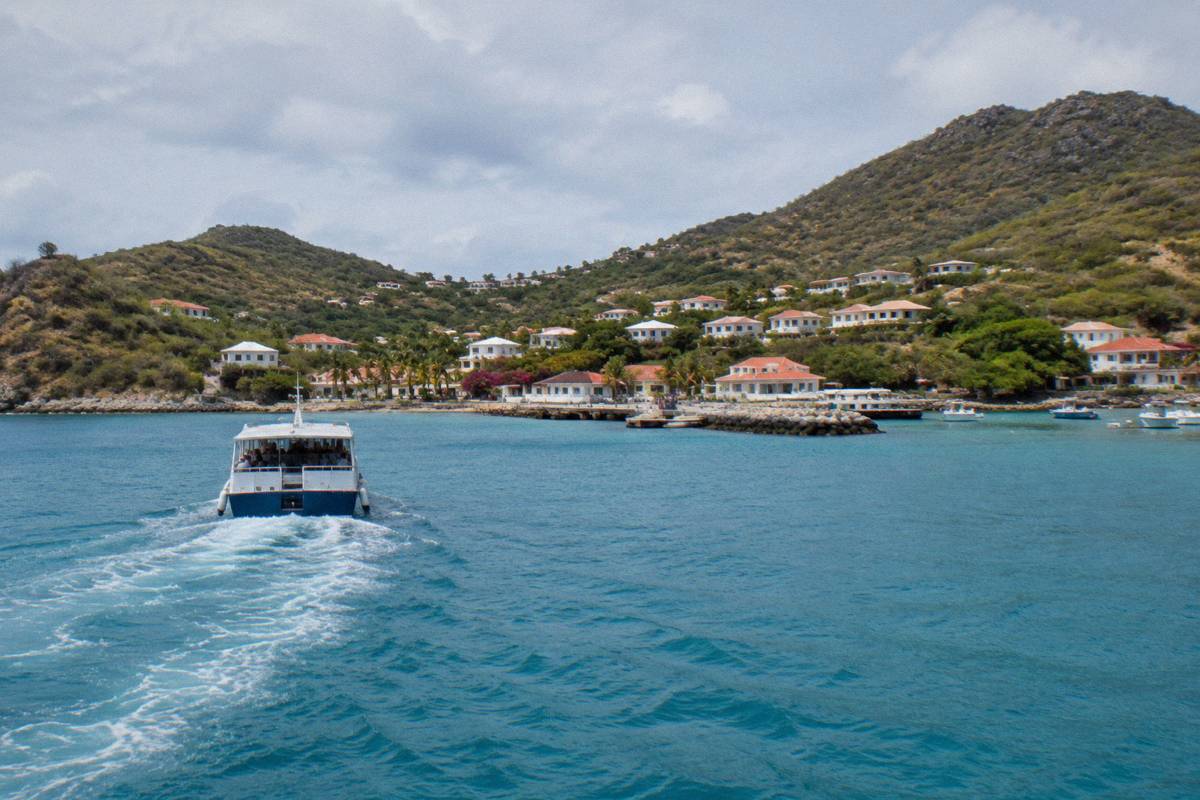
Two ferry services serve St Barts: Great Bay Express runs from Philipsburg on the Dutch side in about 45 minutes with up to three sailings daily, and Voyager runs from Marigot on the French side in about 50 to 60 minutes. Both require a valid passport for every passenger, and Great Bay Express requires check-in 45 minutes before departure, with check-in closing 15 minutes before the boat leaves.
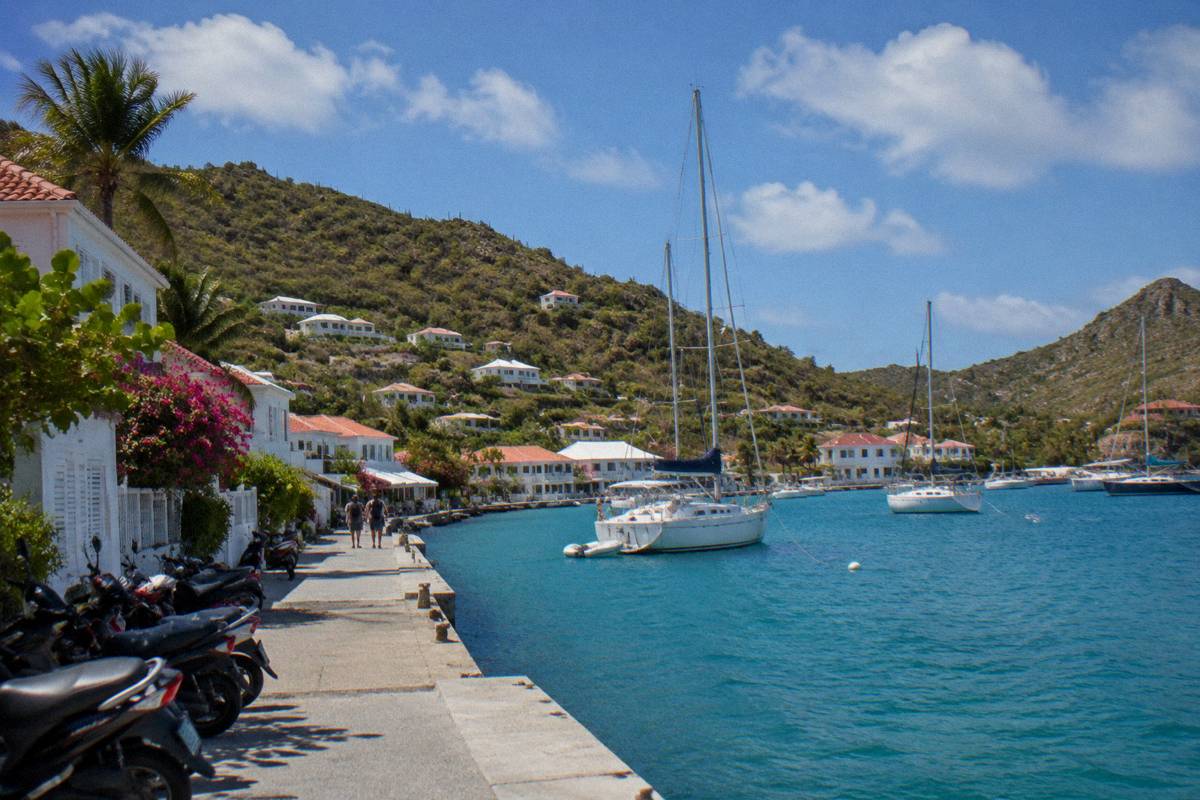
The ferry is the fallback when the small planes are full, and for some travellers it is the preference: no 646-metre runway, no weight limits on luggage beyond the operator's own rules, and a arrival straight into Gustavia harbour. Great Bay Express operates from Philipsburg, with sample departures in the 07:15 to 17:30 window. Voyager leaves from Marigot on the French side, and its office sits on the Marigot waterfront, about 15 minutes by road from Juliana airport or from Grand Case, so it is often the natural choice if you are already staying on the French side or flying into Grand Case.
Timing discipline matters more on the ferry than the timetable suggests. The published rules are firm: arrive 45 to 60 minutes before a Voyager sailing and 45 minutes before a Great Bay Express sailing, with its check-in closing 15 minutes before departure. Miss the window and your ticket does not travel, and with only a handful of departures a day the next sailing may be hours away or fully booked. Every passenger needs a passport, including children, and this applies regardless of your nationality.
No fare is printed here because no current adult fare was confirmed on an official page for either service; both vary by sailing, class and season, so check the operator's own pages when booking. What is confirmed is the crossing time and the check-in rules above. If you are weighing sea against air, our ferry transfer guide covers the crossing in detail, and the St Maarten comparison piece helps if you are deciding whether to split the trip.
Weather is the ferry's weak point. The crossing passes through open water between the islands, and in rough conditions sailings can be uncomfortable or, rarely, cancelled. The Atlantic hurricane season runs 1 June to 30 November with a peak from mid-August to mid-October, so late-summer ferry travellers should keep a flexible plan; flyers face the same reality, since SBH shuts in bad weather too.
Arriving At SBH: The Airport And The First Taxi Ride
Gustavia is about 3 km from the airport, an 8 to 12 minute taxi ride on the island's roads, and Saint-Jean is about 0.5 km away, effectively minutes from the runway. The daytime official taxi tariff from the airport runs about 30 EUR to Gustavia, about 30 EUR to Saint-Jean and about 40 EUR to Flamands, with a 5 EUR surcharge after 18:30, on Sundays and holidays, and 10 EUR between midnight and 06:00.
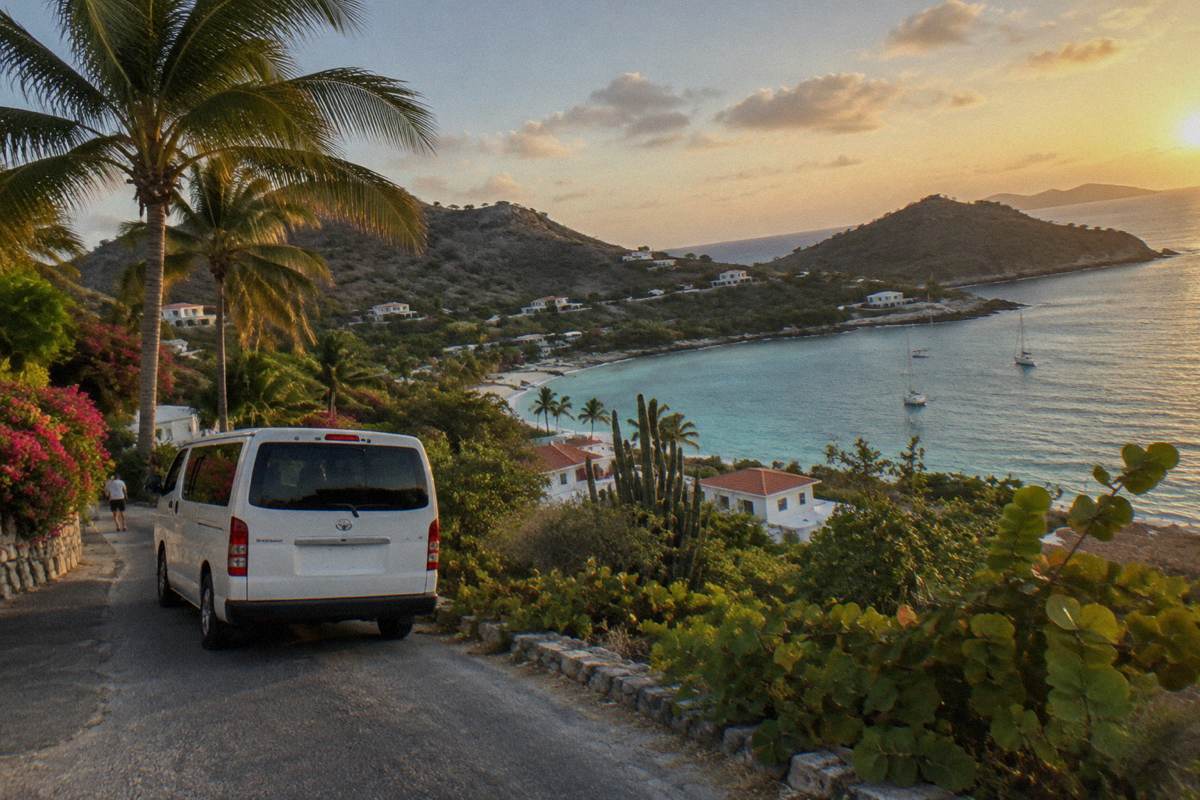
The airport, formally the Rémy de Haenen or Gustaf III airport, is a compact single-runway field in the Saint-Jean area. You walk off the aircraft straight into open air; there is no jet bridge and no long terminal march. Taxis meet arrivals, and the island's speed limit is 50 km/h, dropping to 30 km/h in built-up areas such as Gustavia, Saint-Jean and Lorient, so even distant areas are reachable quickly in minutes rather than hours, though the roads are narrow and winding with blind corners and steep sections, and priority often goes to uphill traffic.
If your hotel is in Saint-Jean, the transfer can be shorter than the baggage claim: about half a kilometre. If it is in Grand Cul-de-Sac or out at Toiny, expect a longer drive on those winding roads, still well under half an hour. Many travellers also rent a car, and the question of whether that is worth it on an island this small, with limited parking in Gustavia and near popular beaches, is covered in our car rental decision guide. The tariff figures above come from the official Collectivite taxi tariff as currently published.
One reason to keep the arrival hotel close: the baggage allowance on the inter-island flight limits what you carry, and the official entry rules require EU nationals to hold a national identity card or passport, while all other visitors, including Americans and Canadians, need at least one valid passport. Full entry details, including the passport question for US travellers, are covered in our passport requirements article.
What A Taxi From The Airport To Each Area Costs
The official daytime taxi tariff from SBH airport is about 30 EUR to Gustavia, about 30 EUR to Saint-Jean and about 40 EUR to Flamands, with surcharges of 5 EUR after 18:30 and on Sundays and holidays, and 10 EUR from midnight to 06:00. Because the airport sits in Saint-Jean, hotels in that area are the cheapest and fastest to reach, while areas on the far side of the island cost more and take longer.
The tariff is set by the Collectivite and quoted here in euros, which is the island's official currency; US dollars are widely accepted but businesses set their own exchange rate, so paying in euros where possible usually works out better. These are indicative daytime figures from the official tariff, and the surcharge schedule matters for anyone on a late flight or an early departure.
| From SBH Airport To | Daytime Tariff | Notes |
|---|---|---|
| Gustavia | About 30 EUR | About 3 km, 8 to 12 minutes by road |
| Saint-Jean | About 30 EUR | About 0.5 km from the airport |
| Flamands | About 40 EUR | West coast, beyond Gustavia |
| Any destination after 18:30, Sundays, holidays | Add 5 EUR | Official surcharge |
| Any destination midnight to 06:00 | Add 10 EUR | Official surcharge |
Two practical points follow from this table. First, if your arrival is late in the day, the 5 EUR surcharge is trivial compared with the value of a hotel near the airport, and Saint-Jean properties make the smoothest first night. Second, if you are arriving by ferry instead, the taxi ride starts from the Gustavia quay, so the geography flips: harbour-adjacent stays such as Fouquet's Saint-Barth are the short hop, and Saint-Jean becomes the drive. Our hotels in Gustavia guide covers the harbour side of that trade.
Which Hotel Area Suits Which Arrival Route?
Air arrivals land in Saint-Jean, so hotels there, such as Pearl Beach Hotel, Tropical Hotel and Eden Rock, give the shortest transfer; ferry arrivals dock in Gustavia, making harbour stays like Fouquet's Saint-Barth and hillside options the closest. Grand Cul-de-Sac, about 5 km in a straight line from Gustavia, rewards the extra drive with a calmer, resort-led stretch of coast.
The pattern is simple once you see the map. The airport and Saint-Jean sit on the north-central coast. Gustavia, the capital, wraps the harbour on the west. Grand Cul-de-Sac and Marigot Bay sit on the northeast, Flamands and Colombier on the west and southwest, and Toiny alone on the southeast. Straight-line distances below are computed from listing coordinates to Gustavia harbour; road distance is always longer.
| Area | Straight-Line Distance From Gustavia | What It Means for Arrival |
|---|---|---|
| Gustavia | In the harbour | Ferry arrivals step off the boat here; Fouquet's Saint-Barth about 0.3 km away |
| Saint-Jean | About 1.3 to 1.9 km | Airport is here; 8 to 12 minutes by road to Gustavia if needed |
| Anse des Cayes | About 1.7 to 2.0 km | Short drive north from the airport side |
| Flamands / Colombier | About 2.3 to 2.6 km | West coast, about 40 EUR taxi tariff from the airport |
| Grand Cul-de-Sac | About 4.9 to 5.3 km | Northeast resort coast, longest common transfer |
| Pointe Milou / Toiny | About 4.0 to 5.5 km | Quiet east and southeast, plan the drive after dark arrivals |
Eden Rock anchors the Saint-Jean end of that table. The hotel sits on Baie de Saint-Jean about 1.6 km in a straight line from Gustavia, rated 4.6 out of 5 across 411 reviews, with rates shown as see current rates on its live listing. For a traveller landing at SBH with bags and a short afternoon ahead, nothing beats being minutes from the runway on the beach the airport overlooks.
On the harbour side, the boutique and hillside tier changes the arithmetic. Hotel Christopher in Pointe Milou, about 4.0 km in a straight line from Gustavia, from $1,524 / night and rated 4.7 out of 5 across 413 reviews, suits a ferry arrival followed by a deliberate drive out to a quieter headland. Gyp Sea Hotel in Colombier, from $1,559 / night and rated 4.7 out of 5 across 127 reviews, is similar: a west-coast arrival that rewards the extra minutes on the road.
Villa travellers should weigh the same map against groceries and arrivals. A three-bedroom villa with pool and gym in Saint-Jean, sleeping 6 and rated 10 out of 10 (review count not shown), is about 1.9 km in a straight line from Gustavia, which means the first supermarket run and the airport pickup are both short. Villa listings print no nightly figure without dates, so treat location, not price, as the planning lever at this stage.
Entry Rules, Baggage And Money For Arrival Day
EU nationals may enter St Barts with a national identity card or a passport; all other visitors, including Americans and Canadians, need at least one valid passport, and this applies to ferry passengers just as it does to flyers. The official currency is the euro, ATMs in Gustavia dispense euros, and cards are widely accepted, with Visa and Mastercard working reliably across the island.
Because St Barts is a French overseas collectivity outside the Schengen area, no ETIAS or new arrival form has been found to apply for 2026 or 2027, but the passport rule is not negotiable: the ferry operators require a passport for every passenger, and immigration at the airport applies the same standard. St Maarten adds its own border crossing, since Dutch Sint Maarten and French Saint-Martin are separate territories; the ferry from Philipsburg departs the Dutch side, the Voyager from Marigot the French side. Once your passport is in hand, the ferry crossing times from St Maarten to St Barts guide explains which departure port suits your route and where to stay when you land.
Money matters less than rumours suggest. Restaurant and hotel bills include service by French law, with optional extra tipping of 5 to 10 percent for excellent service, in euros where possible. The tourist tax, the taxe de sejour, is 5 percent of the real price of the stay, excluding ancillary services such as dining, whatever the number of guests, collected by accommodation providers and digital platforms; details sit on the Collectivite's official tax platform. Electricity is 230 V at 60 Hz with plug types C and E, worth knowing before you pack for a villa stay.
Baggage is the last moving piece. The 23 kg per checked bag limit on the SXM-SBH flight shapes how people pack for villas with kitchens versus hotels with full service. If you are planning a self-catering stay, our houses and apartments for rent guide covers what to expect, and the ferry's more generous luggage handling is one reason villa renters sometimes choose the boat.
Timing Your Arrival Around Season And Closures
High season runs November to April, with pricing typically from mid-November and Thanksgiving week on 26 November 2026 as the unofficial opener, and both aircraft seats and ferry berths tighten sharply from then through New Year. Many hotels close from late August to late October, and September and early October are the quietest months on the island, so late-summer travel means fewer hotels open but far less competition for transfers.
The inter-island leg is the bottleneck. Aircraft on the SXM-SBH route carry roughly a dozen to twenty passengers each, and during the Christmas and New Year period, when villas commonly hold 14-night minimums from roughly 20 December to 3 January, the flights and ferries fill with residents, guests and crew all travelling the same few days. Booking the inter-island leg and the hotel together, months ahead, is standard practice for festive dates.
Arrival-day timing also interacts with hotel closures. A traveller landing in late September finds the island at its quietest, with some hotels shut for maintenance and staff holidays and most restaurant reopenings falling between 15 and 24 October 2026. Le Sereno is scheduled to reopen on 16 November 2026, and Airelles Le Guanahani begins operating under its new name from 1 November 2026, so autumn and early-winter trips should check that the specific stay is open before booking flights around it. More on this rhythm is in our best time to visit guide.
For readers deciding how many nights to build around all this transfer friction, the average visitor stays 6.6 to 7.3 nights, so most people fold the travel day into a week. Our how many days is enough article works through that math, and the island-level context, including hurricane-season timing, sits in the hurricane season explainer.
Putting The Route Together: A Sample Arrival Plan
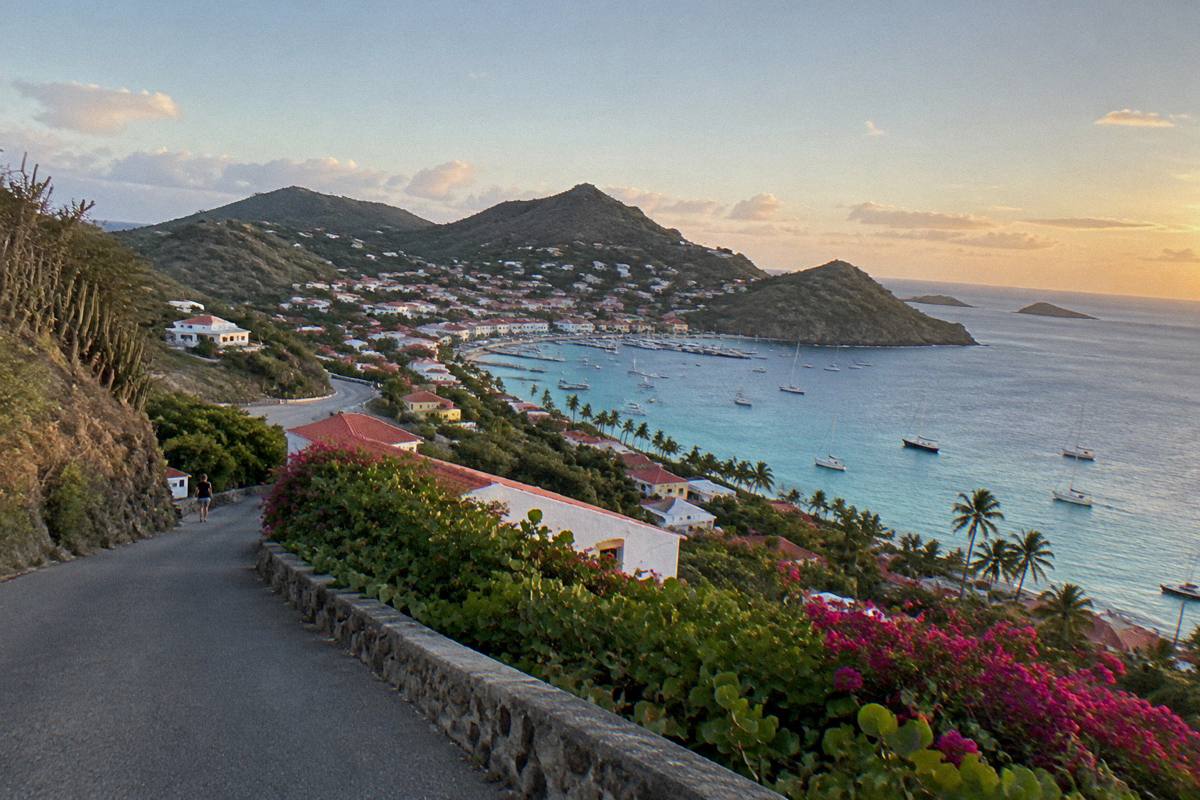
A smooth arrival looks like this: a morning or early-afternoon landing at SXM, at least two to three hours of buffer, the 15-minute flight to SBH or the 45-minute ferry from Philipsburg, a taxi of 8 to 12 minutes to Gustavia or minutes to Saint-Jean, and check-in before sunset, since the airport closes about 15 minutes after dark. Travellers who cannot land at SXM by mid-afternoon should plan a night on St Maarten.
Build the plan backwards from sunset. The runway takes no night traffic, the last ferries leave in the late afternoon to early evening, and the taxi surcharge after 18:30 is a small cost but a reminder that the island's day ends early. For a stay in Saint-Jean, Pearl Beach Hotel, about 1.3 km in a straight line from Gustavia on Saint-Jean beach, rated 4.1 out of 5 across 150 reviews, turns the shortest transfer into extra beach hours on day one.
Ferry-first travellers should mirror the plan around the boat. The 45-minute check-in at Philipsburg, or 45 to 60 minutes at Marigot, plus the crossing and the Gustavia taxi, makes a hotel on or near the harbour the efficient choice, with Fouquet's Saint-Barth, from $2,945 / night and rated 4.5 out of 5 across 115 reviews, among the closest options to the quay. Whatever the route, this site, Best Hotels In Saint Barthelemy, keeps every hotel and villa area profiled so the arrival decision and the stay decision can be made together.
Common Questions About Getting To St Barts
How do you get to St Barts?
Fly to Princess Juliana airport (SXM) on St Maarten, then take a roughly 15-minute flight to St Barts with Winair, St Barth Commuter, Air Caraibes or limited Tradewind services, or a ferry of about 45 minutes from Philipsburg or 50 to 60 minutes from Marigot.
Can you fly direct to St Barts from the US?
No. There is no direct commercial flight from any US city to St Barts; all trips connect through St Maarten, Grand Case or, on limited services, San Juan, finishing with a small-aircraft flight to the 646-metre runway at SBH.
How long is the ferry from St Maarten to St Barts?
About 45 minutes from Philipsburg with Great Bay Express, up to three sailings daily, or about 50 to 60 minutes from Marigot with Voyager. Check-in is 45 minutes before with Great Bay Express (closing 15 minutes before departure) and 45 to 60 minutes before with Voyager, and every passenger needs a passport.
How far is Gustavia from the airport?
Gustavia is about 3 km from the airport, an 8 to 12 minute taxi ride by road, with a daytime tariff of about 30 EUR. Saint-Jean is only about 0.5 km from the runway.
What documents do you need to enter St Barts?
EU nationals may enter with a national identity card or passport; all other visitors, including Americans and Canadians, need at least one valid passport. The same requirement applies to ferry passengers.
What is the baggage limit on the flight to St Barts?
Winair caps checked baggage at 23 kg per bag, accepting bags between 23 and 32 kg with an overweight charge. Pack light, since the aircraft serving the 646-metre runway are small.